

Your website is often the first impression customers have of your business. In today’s digital world, a strong online presence can make or break your success. Yet, many small business owners struggle because their sites lack key website features that build trust, engage visitors, and encourage action. If your small business website isn’t generating leads or sales, it’s not just a digital brochure—it’s a missed opportunity.
A successful business website design goes beyond aesthetics. It should actively work to convert visitors into customers, boosting your ROI and supporting long-term growth. Whether you’re planning a new site or optimizing an existing one, incorporating the right elements can transform your online presence. In this post, we’ll explore 10 essential website features every small business needs to thrive. These insights come from years of experience at Apps Web Dev LLC, where we specialize in creating high-converting websites tailored for small businesses.
Feature #1: Mobile-Friendly Design
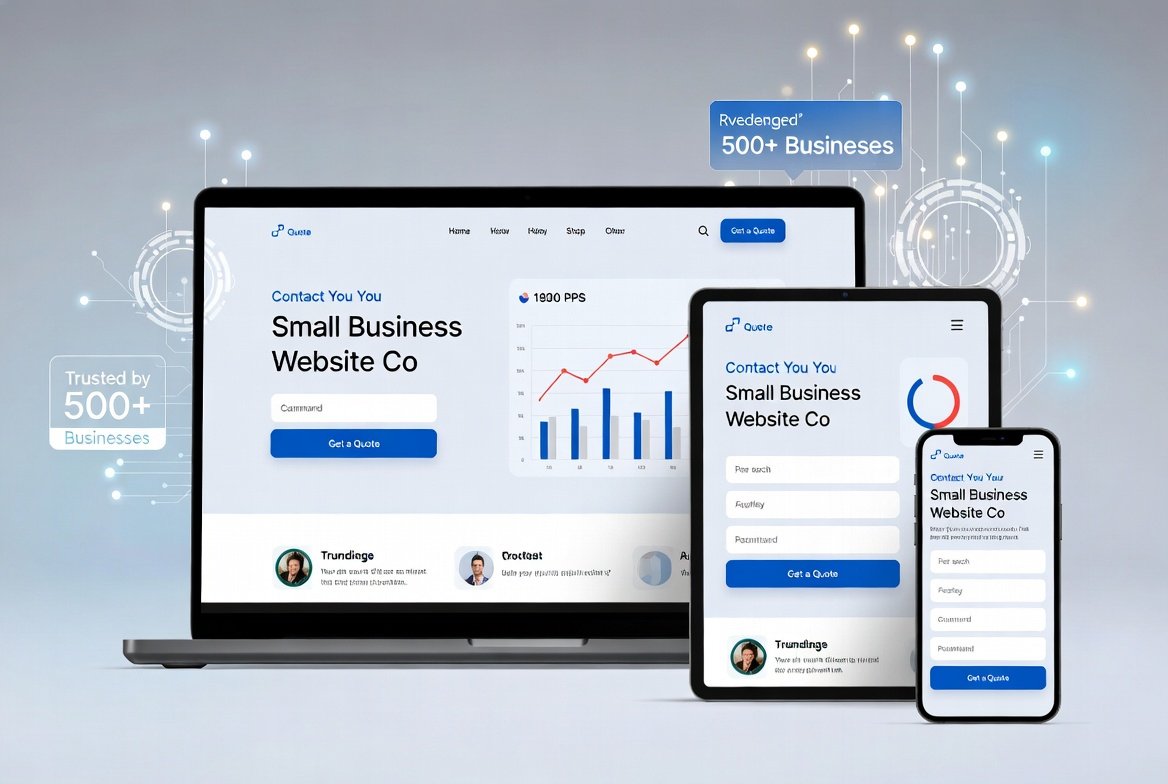
In an era where over 60% of web traffic comes from mobile devices, a responsive web design is non-negotiable for any small business website. Google prioritizes mobile-friendly sites in search results, meaning if your site doesn’t adapt seamlessly to smartphones and tablets, you could be invisible to potential customers.
Poor mobile experiences lead to high bounce rates—visitors leaving your site almost immediately. This hurts your website user experience and signals to search engines that your content isn’t valuable. Responsive web design ensures your site looks and functions perfectly on any device, with elements like buttons and text resizing automatically.
To achieve this, focus on mobile optimization techniques such as flexible layouts and touch-friendly navigation. Small businesses that invest in responsive design often see improved engagement and conversions, as users can easily browse products, read content, or contact you on the go.
Feature #2: Fast Website Loading Speed
Speed is a critical factor in website optimization. Studies show that if a page takes longer than three seconds to load, over half of visitors will abandon it. For small businesses, this means lost leads and revenue. Fast-loading sites not only keep users engaged but also rank higher in SEO, as Google factors page speed into its algorithms.
Slow websites frustrate users and reduce trust in your brand. To combat this, prioritize image optimization—compress files without losing quality—and use clean coding practices to minimize unnecessary scripts. Tools like browser caching and content delivery networks (CDNs) can further enhance performance.
The result? A faster site improves conversions by up to 7% for every second shaved off load time. Small business owners should regularly test their site’s speed to ensure it meets modern standards and supports business growth.
Feature #3: Clear Call-to-Action (CTA)
Without clear guidance, visitors to your small business website might browse but never take the next step. A strong call-to-action (CTA) directs them toward desired outcomes, turning passive viewers into active leads.
Effective CTAs are prominent, action-oriented buttons or links like “Contact Us,” “Get a Free Quote,” “Schedule a Consultation,” or “Call Now.” Place them strategically—on the homepage, service pages, and at the end of blog posts—to guide users seamlessly.
In a lead generation website, well-crafted CTAs can boost conversion rates significantly. For instance, using contrasting colors and urgent language encourages immediate responses. Small businesses that refine their CTAs often see a direct increase in inquiries and sales, making this feature essential for ROI-focused strategies.
Feature #4: Professional Design and Branding
First impressions matter, and users judge a website’s credibility in under a second. A professional business website with consistent branding builds instant trust and sets you apart from competitors.
Key elements include a clean layout, consistent colors that match your brand, high-quality professional images, and a modern design that feels current. Avoid cluttered pages; instead, use whitespace to highlight important content.
This approach enhances website user experience and reinforces your business’s reliability. Small businesses with polished designs report higher engagement and loyalty, as visitors associate visual appeal with quality service. Investing in professional design pays off in stronger online credibility and customer acquisition.
Feature #5: Search Engine Optimization (SEO)
Visibility is key to online success, and SEO is the foundation of any effective small business website. Without it, even the best content remains hidden from potential customers searching on Google.
Core SEO practices include keyword optimization—naturally incorporating terms like “business website design”—along with meta tags, structured content using headings, and local SEO for targeting nearby audiences. These elements help your site rank higher, driving organic traffic.
For small businesses, SEO means appearing in relevant searches, such as “conversion-focused website near me.” This increases leads without heavy ad spend, focusing on sustainable growth. Proper implementation ensures your site not only attracts visitors but converts them into paying customers.
Feature #6: Contact Information That’s Easy to Find
Making it simple for customers to reach you is a hallmark of a user-friendly small business website. Hidden contact details frustrate visitors and lead to lost opportunities.
Include essentials like your phone number, email address, a straightforward contact form, and business location prominently—ideally in the header, footer, and a dedicated contact page. Add click-to-call buttons for mobile users to enable one-tap connections.
This transparency builds trust and encourages immediate action. Small businesses that prioritize accessible contact info see higher engagement rates, as it reduces barriers to communication and supports lead generation efforts.
Feature #7: Customer Reviews and Testimonials
Social proof is powerful in influencing decisions. Integrating customer reviews and testimonials on your website reassures visitors of your reliability.
Display Google reviews, client testimonials, and case studies in dedicated sections or sprinkled throughout relevant pages. Highlight specific successes, like “Increased our leads by 40%,” to demonstrate real results.
These trust signals can sway hesitant buyers, boosting conversions. For small businesses, showcasing positive feedback enhances credibility and differentiates you in a competitive market, ultimately driving more sales.
Feature #8: Secure Website (HTTPS)
Security isn’t optional—it’s expected. A secure website with HTTPS protects user data and signals trustworthiness to both visitors and search engines.
Google marks non-HTTPS sites as “not secure,” which can deter users and harm SEO rankings. Implementing an SSL certificate encrypts data, safeguarding sensitive information like contact forms or payments.
For small businesses, this feature is crucial for building confidence, especially in e-commerce or service-based sites. It prevents data breaches and supports long-term customer relationships, contributing to overall business growth.
Feature #9: Lead Capture Forms
Converting visitors into leads requires tools that capture interest without overwhelming them. Lead capture forms are vital for any lead generation website.
Keep forms simple—ask only for essential info like name, email, and a brief message. Examples include quote request forms, newsletter signups, or free consultation requests, placed on high-traffic pages.
Simplicity reduces abandonment rates, while clear value propositions (e.g., “Get your free guide”) encourage submissions. Small businesses using optimized forms report significant increases in qualified leads, turning casual browsers into revenue opportunities.
Feature #10: Analytics and Performance Tracking
Data drives decisions. Analytics tools track website performance, revealing insights into traffic, user behavior, and conversions.
Integrate solutions like Google Analytics to monitor metrics such as bounce rates, session duration, and conversion paths. This helps identify what’s working and where improvements are needed.
For small businesses, tracking enables informed optimizations, like refining underperforming pages. It ensures your site evolves to meet goals, maximizing ROI and supporting sustained online success.
Why Small Business Websites Must Focus on Conversions
A great-looking website is a start, but true success comes from focusing on conversions. Your small business website should generate real results, like leads, sales, and customer loyalty.
Emphasize lead generation through strategic elements that guide users toward action. This builds online credibility, attracts more customers, and provides a competitive advantage in crowded markets.
By prioritizing conversions, small businesses can achieve measurable growth—higher traffic turning into tangible revenue. It’s about creating a site that works as hard as you do.
About Apps Web Dev LLC
Apps Web Dev LLC is a San Diego-based web development and digital marketing agency dedicated to empowering small businesses with cutting-edge online solutions. Located at 7665 Hornbill Ave, San Diego, CA 92123, USA, we’re reachable at +1 858-705-9394 or via email at mmtariqk@gmail.com.
We specialize in custom website development, conversion-focused web design, SEO optimization, digital marketing strategy, and small business growth solutions. As your trusted technology partner, we craft websites that not only look professional but deliver results—helping you stand out, generate leads, and scale efficiently.
Ready to Elevate Your Small Business Website?
Don’t let an underperforming site hold your business back. Request a free website audit from Apps Web Dev LLC today to uncover opportunities for improvement. Or schedule a custom website design consultation to build a lead-generating machine tailored to your needs.
Our experts will help you implement these essential features, boosting your conversions and online presence. Contact us now and turn your website into a powerful tool for growth—let’s make your business succeed online!
Frequently Asked Questions (FAQs)
1. What features should a small business website have?
A small business website should include mobile-friendly design, fast loading speeds, clear CTAs, professional branding, SEO, easy contact info, reviews, security, lead forms, and analytics. These elements create a conversion-focused website that drives leads and growth.
2. Why is mobile-friendly design important for business websites?
Mobile-friendly design ensures your site works well on all devices, reducing bounce rates and improving SEO. With most traffic from mobiles, it’s essential for better website user experience and reaching more customers.
3. How does website speed affect conversions?
Slow speeds lead to high abandonment rates, hurting conversions and SEO. Optimizing for faster loading improves user satisfaction, keeps visitors engaged, and boosts sales for small businesses.
4. What is the role of SEO in a business website?
SEO enhances visibility in search results through keyword optimization and structured content. It drives organic traffic to your small business website, increasing leads without ongoing ad costs.
5. How can a website generate leads for a small business?
Through features like CTAs, lead capture forms, and testimonials, a website can convert visitors into leads. Focusing on user-friendly design and SEO ensures steady inquiries and business growth.