

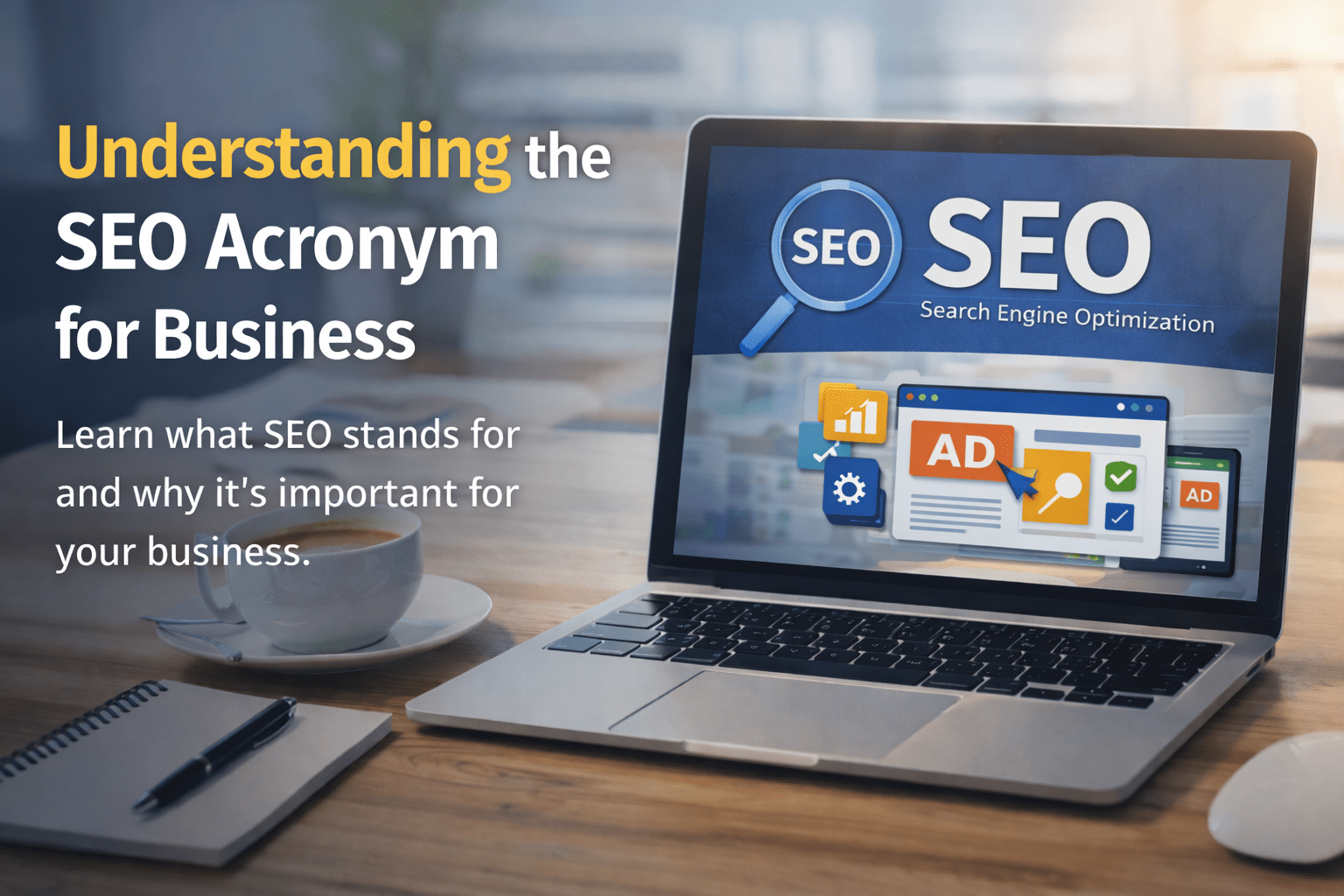
Search Engine Optimization has become the backbone of modern digital marketing strategies. The seo acronym represents a powerful concept that drives online visibility and business growth. Understanding seo acronyms is essential for anyone navigating the complex world of digital marketing today.
The acronym seo stands for Search Engine Optimization. This fundamental concept shapes how businesses connect with their target audiences online. Every marketer, content creator, and business owner must grasp what these letters truly represent in today’s competitive landscape.
Digital marketing relies heavily on various technical terms and abbreviations. The seo meaning acronym goes beyond just three letters. It encompasses strategies, techniques, and practices that help websites rank higher on search engine results pages. Knowing these terms empowers you to make informed decisions about your online presence.
What Is SEO: Breaking Down the Acronym SEO Meaning
The seo acronym business world revolves around understanding core optimization principles. SEO stands for Search Engine Optimization, representing systematic efforts to improve website visibility organically. This practice involves optimizing content, technical elements, and user experience to satisfy both search engines and human visitors.
Search engines like Google use complex algorithms to determine which websites deserve top rankings. The seo acronym marketing strategies align your content with these algorithmic preferences. Successful optimization requires understanding keyword research, content quality, link building, and technical website health.
Modern SEO has evolved significantly since its inception in the mid-1990s. Early practitioners focused primarily on keyword stuffing and backlink quantity. Today’s approach emphasizes quality content, user intent, and comprehensive website optimization. The transformation reflects Google’s commitment to delivering valuable search results.
Core SEO Acronyms Every Digital Marketer Should Know
Understanding various acronyms seo professionals use daily enhances your marketing effectiveness. SERP stands for Search Engine Results Page, representing where your content appears after someone searches. Ranking position on SERPs directly impacts visibility and click-through rates significantly.
The seo social media marketing acronym landscape includes numerous essential terms. CTR means Click-Through Rate, measuring how many people click your link versus how many see it. High CTR indicates compelling titles and meta descriptions that resonate with searchers effectively.
ROI represents Return on Investment, crucial for measuring campaign success. Every marketing dollar spent should generate measurable returns through increased traffic, conversions, or revenue. Tracking ROI helps justify SEO budgets and demonstrate value to stakeholders consistently.
CPC stands for Cost Per Click, relevant for paid advertising campaigns. While organic SEO doesn’t require payment per click, understanding CPC helps evaluate keyword competitiveness. High CPC keywords often indicate strong commercial intent and potential value.
KD means Keyword Difficulty, measuring how challenging ranking for specific terms might be. Lower difficulty scores suggest easier ranking opportunities, especially for newer websites. Balancing difficulty with search volume helps create realistic optimization strategies.
MSV represents Monthly Search Volume, indicating how many people search specific terms monthly. High volume keywords attract more potential visitors but face increased competition. Combining high and low volume keywords creates balanced content strategies.
The Evolution of SEO Acronym Marketing Strategies
Digital marketing has witnessed tremendous transformation over recent decades. The seo acronym meaning has expanded beyond simple optimization techniques. Modern strategies incorporate artificial intelligence, machine learning, and sophisticated user behavior analysis.
Search engines continuously refine their algorithms to improve result quality. Google updates like Panda, Penguin, and Hummingbird revolutionized how websites must approach optimization. Understanding these changes helps marketers adapt strategies to maintain competitive advantages.
Voice search optimization represents one significant recent development. People increasingly use conversational queries through smartphones and smart speakers. Optimizing for natural language patterns and question-based searches becomes increasingly important today.
Mobile-first indexing changed how Google evaluates websites fundamentally. Websites must perform excellently on mobile devices to achieve strong rankings. Responsive design, fast loading times, and mobile-friendly navigation are now essential requirements.
Local SEO has gained tremendous importance for businesses serving specific geographic areas. Google My Business optimization, local citations, and location-based keywords help businesses connect with nearby customers. This specialization demonstrates how SEO strategies continue diversifying.
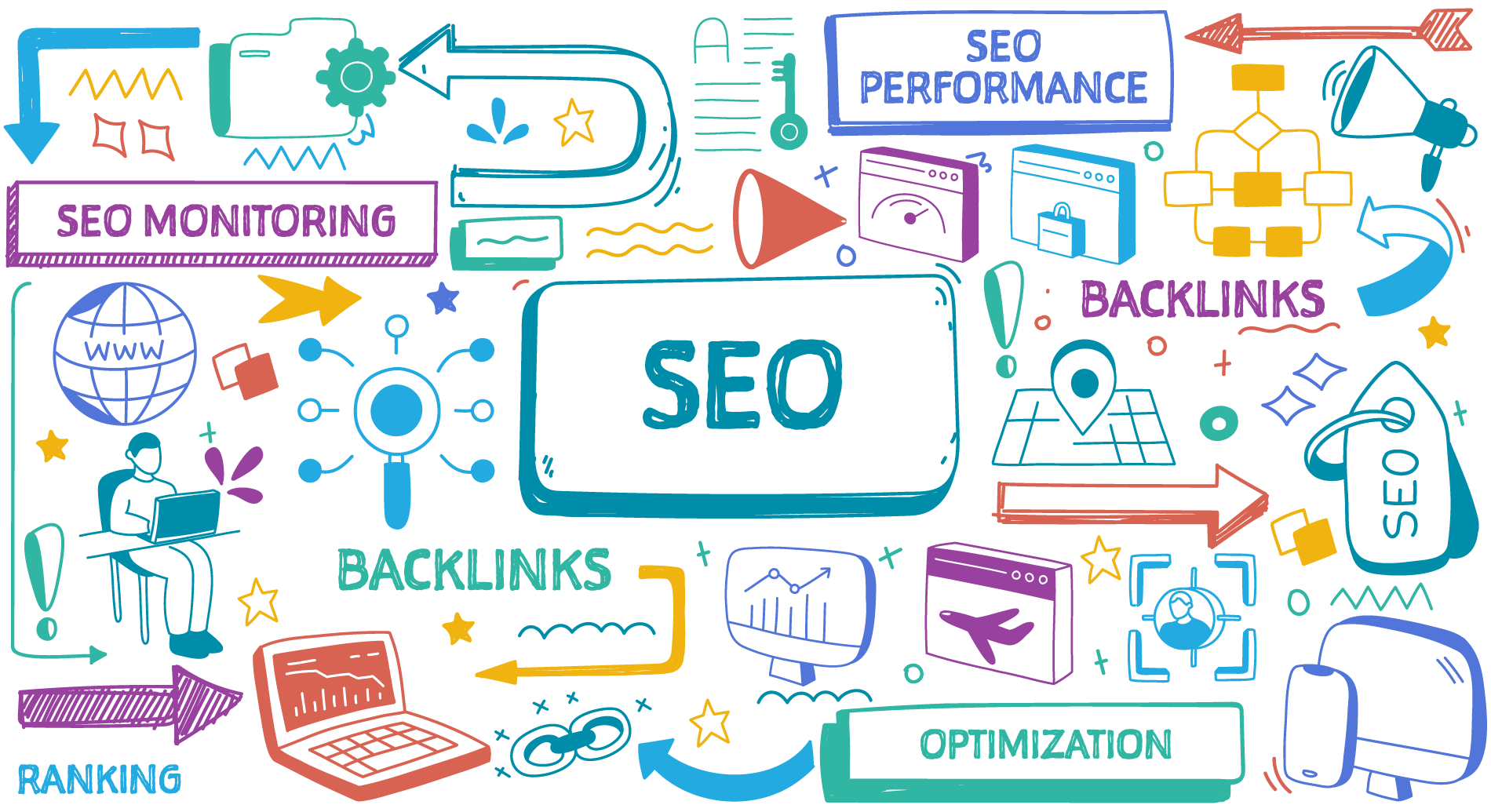
Essential Components of Modern SEO Acronym Business Practices
Technical SEO forms the foundation of successful optimization efforts. Site speed, mobile responsiveness, secure connections, and clean code structure impact rankings significantly. Search engines prioritize websites offering excellent technical user experiences consistently.
Content remains king in the SEO world despite technological advancements. High-quality, informative, engaging content satisfies user intent effectively. Google’s algorithms reward comprehensive content that thoroughly addresses searcher questions and needs.
On-page optimization involves strategically placing keywords throughout content elements. Title tags, meta descriptions, headers, and body content must incorporate target keywords naturally. Overstuffing keywords damages readability and triggers algorithmic penalties.
Off-page SEO builds website authority through external signals. Quality backlinks from reputable websites signal trustworthiness to search engines. Social media presence, brand mentions, and online reviews contribute to overall authority.
User experience signals increasingly influence search rankings. Bounce rate, time on site, pages per session, and conversion rates indicate content quality. Positive user engagement signals tell search engines your content delivers value.
Understanding What Does the Acronym SEO Stand For in Content Marketing
Content marketing and SEO work together synergistically for maximum impact. What is seo and content marketing what does acronym mean becomes clearer when examining their relationship. Content provides the vehicle for delivering optimization strategies effectively.
Keyword research guides content creation by identifying topics audiences actively search. Understanding search intent helps create content that truly satisfies user needs. Informational, navigational, commercial, and transactional intents require different content approaches.
Long-form content generally performs better in search rankings than shorter pieces. Comprehensive articles addressing topics thoroughly demonstrate expertise and authority. Depth signals to search engines that content deserves prominent placement.
Internal linking connects related content pieces throughout your website structure. Strategic linking helps search engines understand site architecture and content relationships. Visitors benefit from discovering additional relevant resources easily.
Visual content enhances engagement while supporting SEO efforts simultaneously. Images, infographics, videos, and charts make content more digestible and shareable. Proper alt text optimization helps search engines understand visual content.
How Acronym SEO Company Professionals Implement Strategies
Professional acronym seo company services deliver comprehensive optimization solutions. Specialists conduct thorough website audits identifying technical issues, content gaps, and optimization opportunities. These audits provide roadmaps for improving search visibility systematically.
Competitor analysis reveals what successful websites in your niche do effectively. Understanding competitor strategies helps identify gaps and opportunities in your approach. Learning from others’ successes and failures accelerates your optimization progress.
Custom SEO strategies align with specific business goals and target audiences. One-size-fits-all approaches rarely deliver optimal results for unique situations. Tailored strategies consider industry specifics, competition levels, and available resources.
Ongoing monitoring and adjustment keep strategies effective as algorithms evolve. Regular performance reviews identify what works and what needs improvement. Flexibility and adaptation separate successful campaigns from stagnant ones.
Reporting and analytics demonstrate strategy effectiveness through measurable metrics. Traffic growth, ranking improvements, conversion increases, and revenue attribution prove value. Transparent reporting builds trust and justifies continued investment.

Advanced SEO Acronym Techniques for Better Rankings
Schema markup helps search engines understand content context more accurately. Structured data enables rich snippets displaying additional information in search results. Enhanced listings improve click-through rates and visibility significantly.
Featured snippets position content above traditional organic results prominently. Optimizing for question-based queries and providing clear, concise answers increases snippet chances. Position zero provides tremendous visibility and authority benefits.
Video SEO capitalizes on growing video content consumption trends. YouTube optimization, video schema markup, and video sitemaps improve discoverability. Multimedia content diversifies traffic sources and engagement opportunities.
E-A-T (Expertise, Authoritativeness, Trustworthiness) principles guide quality content creation. Demonstrating credentials, citing credible sources, and maintaining accurate information builds trust. Google emphasizes these factors especially for YMYL (Your Money Your Life) topics.
Core Web Vitals measure user experience through loading speed, interactivity, and visual stability. Largest Contentful Paint, First Input Delay, and Cumulative Layout Shift impact rankings. Optimizing these metrics improves both rankings and user satisfaction.
Common Mistakes When Implementing Acronym for SEO Strategies
Keyword stuffing damages readability and triggers algorithmic penalties consistently. Natural keyword integration maintains content quality while supporting optimization goals. Balance between optimization and readability ensures success.
Ignoring mobile optimization alienates growing mobile-user populations. Responsive design and mobile-specific considerations are mandatory requirements today. Mobile performance directly impacts rankings through mobile-first indexing.
Neglecting technical SEO issues creates foundational problems undermining other efforts. Broken links, slow loading times, and poor site structure frustrate users. Regular technical audits identify and resolve these problems promptly.
Focusing exclusively on rankings ignores ultimate business objectives. Traffic without conversions provides little business value ultimately. Comprehensive strategies balance visibility with user experience and conversion optimization.
Expecting immediate results leads to frustration and premature strategy abandonment. SEO requires patience as algorithms evaluate changes over time. Sustainable growth emerges through consistent, quality efforts over months.
The Future of SEO Acronym Meaning in Digital Marketing
Artificial intelligence continues reshaping search algorithms and optimization strategies. Machine learning enables search engines to understand content context better. Marketers must focus on genuine value creation rather than manipulation tactics.
Voice search will continue growing as smart speakers proliferate households globally. Natural language optimization and conversational content become increasingly important. Adapting to voice query patterns positions businesses for future success.
Visual search technology allows users finding products through image queries. Optimizing images with descriptive filenames, alt text, and structured data supports discoverability. Pinterest Lens and Google Lens demonstrate visual search potential.
Personalization tailors search results based on individual user history and preferences. Generic optimization approaches may become less effective over time. Understanding audience segments helps create targeted, relevant content.
Privacy concerns and regulations impact data collection and tracking capabilities. Cookie restrictions and privacy-first browsing challenge traditional analytics approaches. Adapting to privacy-conscious environments ensures continued measurement capabilities.
Measuring SEO Acronym Business Success Effectively
Google Analytics provides comprehensive insights into traffic sources and user behavior. Understanding which channels drive visitors helps allocate resources effectively. Conversion tracking connects marketing efforts to business outcomes.
Google Search Console reveals how Google views and indexes your website. Performance reports show which queries drive impressions and clicks. Coverage reports identify indexing issues requiring attention.
Rank tracking tools monitor keyword position changes over time. Regular monitoring identifies trending keywords and declining rankings. Early detection enables proactive strategy adjustments.
Backlink analysis tools evaluate link profile quality and growth. Understanding who links to you reveals authority-building opportunities. Disavowing toxic links protects against algorithmic penalties.
Conversion rate optimization tools identify friction points in user journeys. Heatmaps, session recordings, and A/B testing reveal improvement opportunities. Combining traffic growth with conversion improvements maximizes ROI.
Integrating SEO Social Media Marketing Acronym Strategies
Social media signals indirectly influence search rankings through increased visibility. Shared content attracts backlinks and drives referral traffic organically. Strong social presence amplifies content reach beyond search alone.
Platform-specific optimization enhances discoverability within social networks themselves. Instagram hashtags, LinkedIn keywords, and Twitter trends increase native platform visibility. Cross-channel optimization creates comprehensive digital presence.
Social proof through engagement signals content quality to search engines. Likes, shares, comments, and follows indicate audience resonance. Building engaged communities supports overall marketing objectives.
Content repurposing extends value across multiple channels efficiently. Blog posts become social media updates, infographics, and video scripts. Multi-format approaches maximize content investment returns.
Influencer collaborations expand reach to established, relevant audiences. Strategic partnerships build authority and attract quality backlinks. Relationship building creates long-term marketing advantages.
Practical Tips for Implementing SEO Acronym Marketing Successfully
Start with thorough keyword research identifying opportunities matching business goals. Use tools like Google Keyword Planner, SEMrush, and Ahrefs. Balance competition levels with search volume realistically.
Create comprehensive content calendars aligning topics with keyword opportunities. Consistent publishing schedules build authority and audience expectations. Planning ahead ensures quality over rushed production.
Optimize every content piece thoroughly before publication. Proper title tags, meta descriptions, headers, and keyword placement improve rankings. Quality control prevents wasted optimization opportunities.
Build relationships with industry websites for backlink opportunities. Guest posting, expert quotes, and resource contributions generate quality links. Authentic relationship building outperforms transactional link buying.
Monitor performance regularly and adjust strategies based on data. What works changes as algorithms evolve and competition intensifies. Agility and responsiveness separate successful campaigns from failures.
Frequently Asked Questions About SEO Acronyms
What does the SEO acronym mean in digital marketing?
SEO stands for Search Engine Optimization, representing strategies improving website visibility organically. The acronym encompasses technical optimization, content creation, and authority building. Understanding SEO helps businesses connect with customers searching relevant products or services online.
Why is understanding seo acronyms important for business success?
Knowing SEO terminology enables effective communication with marketing professionals and agencies. Understanding concepts helps evaluate strategy effectiveness and make informed decisions. Digital visibility directly impacts revenue for most modern businesses today.
How long does SEO acronym marketing take to show results?
Most SEO campaigns require three to six months showing significant results. Competitive niches may need longer timeframes achieving top rankings. Consistent effort and patience yield sustainable long-term visibility improvements.
What are the most important seo acronyms every marketer should know?
Essential acronyms include SERP, CTR, ROI, CPC, KD, and MSV. Understanding these terms helps navigate SEO discussions and strategy planning. Each acronym represents crucial concepts impacting optimization success.
How do I choose the right acronym seo company for my business?
Evaluate companies based on proven results, transparent communication, and ethical practices. Request case studies, client references, and clear strategy explanations. Avoid promises of guaranteed rankings or overnight success.
Conclusion: Mastering SEO Acronym Strategies for Digital Success
Understanding seo acronym terminology transforms how you approach digital marketing fundamentally. These three letters represent comprehensive strategies driving business growth through increased visibility. Mastering optimization principles positions your business for sustained online success.
The digital landscape continues evolving rapidly with technological advancements. Staying informed about algorithm updates, emerging trends, and best practices maintains competitive advantages. Continuous learning separates successful marketers from those left behind.
Implementing effective SEO strategies requires patience, persistence, and strategic thinking. Quick fixes and shortcuts typically result in penalties rather than progress. Building sustainable visibility through quality content and ethical practices delivers lasting results.
Ready to transform your digital presence through expert SEO strategies? Start implementing these proven techniques today and watch your website climb search rankings. Don’t let competitors dominate your niche—take action now and claim your position at the top of search results. Contact our team for personalized guidance tailored to your unique business goals!