

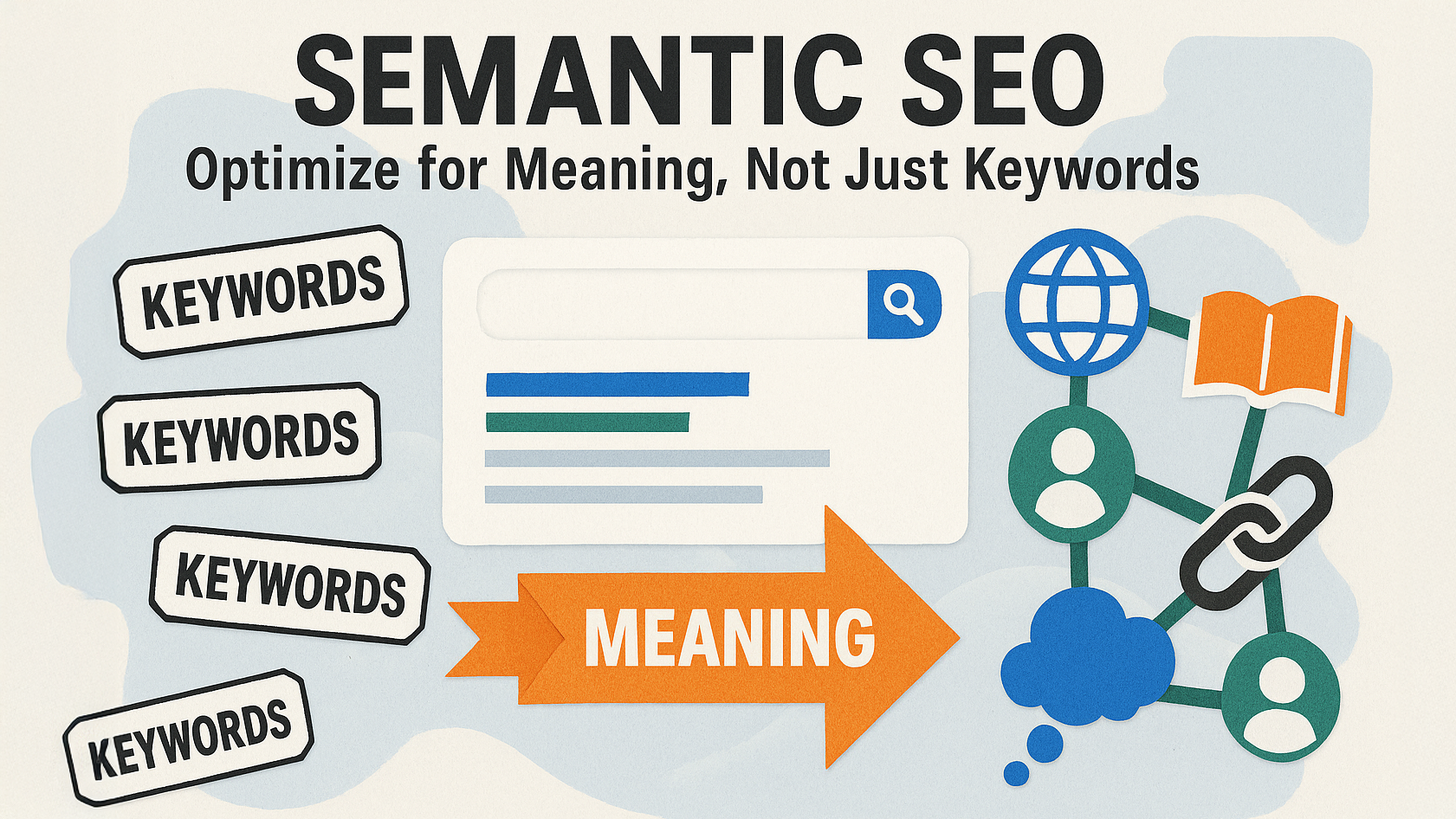
Search engine optimization has evolved dramatically over the past few years. Gone are the days when stuffing exact-match keywords guaranteed top rankings. Today’s search engines understand context, intent, and meaning. They’ve become remarkably intelligent at deciphering what users truly want. This revolutionary shift has made semantic keywords the cornerstone of successful SEO strategies. Understanding how to leverage these powerful elements can transform your content from invisible to irresistible. Modern SEO professionals recognize that semantic approaches unlock unprecedented opportunities. They deliver better rankings, higher engagement, and more qualified traffic than traditional methods ever could.
The difference between ranking on page one versus page ten often hinges on semantic understanding. Google’s algorithms now prioritize content that demonstrates comprehensive topic coverage through semantically related keywords. This means your content must speak the same language as your audience. It must address their questions, concerns, and desires with precision and depth. The importance of semantic keywords in SEO cannot be overstated in today’s competitive digital landscape. They represent the bridge between what users search for and what content creators deliver. Mastering this concept separates amateur content from professional, ranking-worthy articles that dominate search results.
What Are Semantic Keywords?
Semantic keywords represent words and phrases that share conceptual relationships with your main topic. They extend beyond simple synonyms to encompass related concepts, questions, and contextual terms. These keywords help search engines understand the full scope and depth of your content. Think of them as the supporting cast that validates your main character. When you write about “digital marketing,” semantic keywords might include “online advertising,” “social media strategy,” “content promotion,” and “customer acquisition.” Each term reinforces the others, creating a comprehensive semantic web that signals expertise.
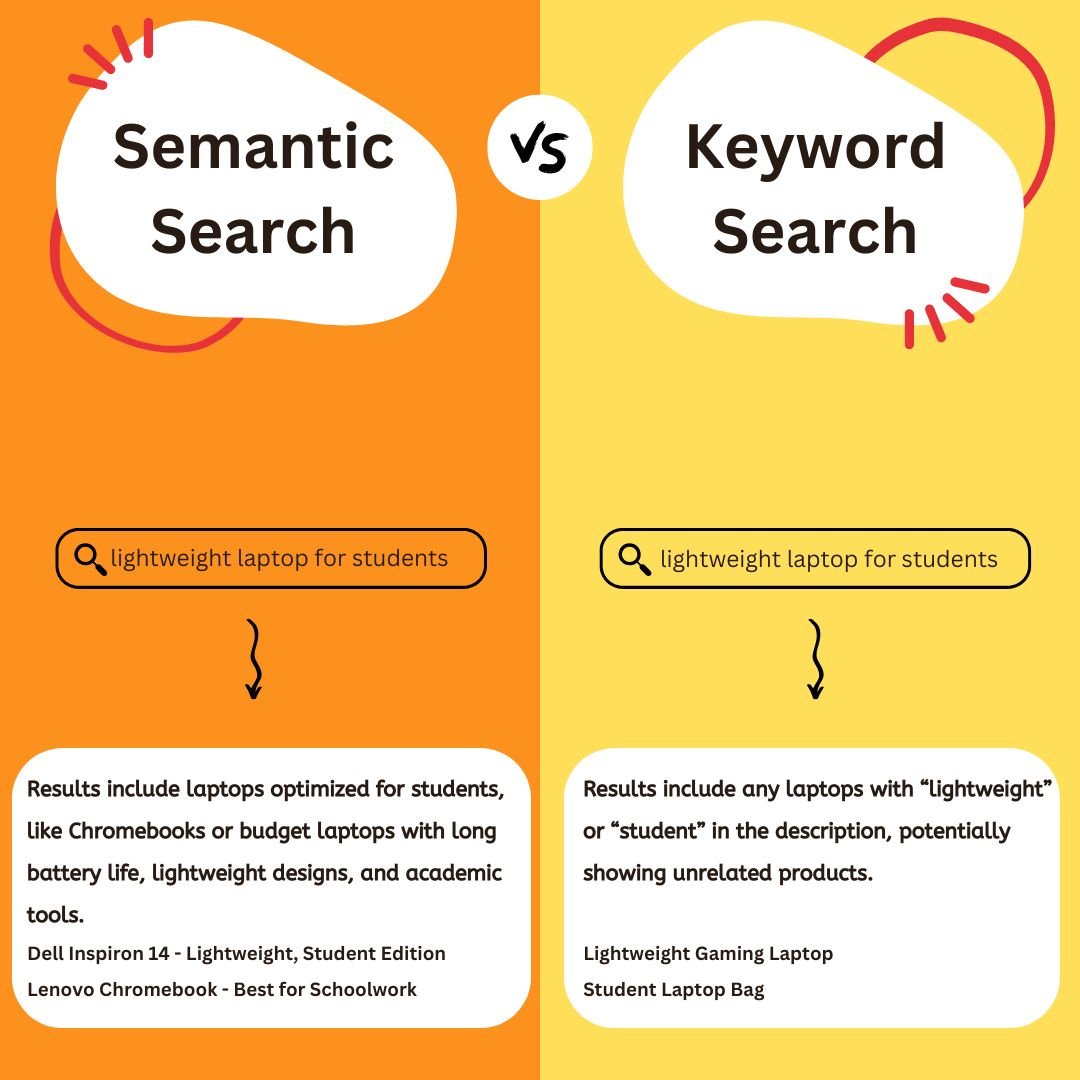
The relationship between semantic search vs keyword search reveals this evolution clearly. Traditional keyword search focused on exact phrase matching, often producing irrelevant results. Users searching for “apple” might get fruit recipes when they wanted technology news. Semantic search revolutionized this experience by analyzing user intent, search history, and contextual clues. It understands that “best smartphone camera” relates to device reviews, specifications, and photography capabilities. This intelligence allows search engines to deliver precisely what users need, even when queries lack perfect phrasing.
Semantic keywords work by creating topical authority and contextual relevance. When you consistently use semantically related keywords throughout your content, you demonstrate comprehensive knowledge. Search engines reward this depth with higher rankings and increased visibility. Your content becomes a trusted resource rather than a shallow keyword vessel. Real-world examples abound: a fitness article discussing “weight loss” should naturally incorporate “calorie deficit,” “nutrition planning,” “exercise routines,” and “metabolic rate.” These aren’t forced additions but organic elements that complete the conversation.
The beauty of semantic keywords lies in their natural integration. They flow seamlessly within quality content because they represent how people actually think and communicate. When you write for humans first, semantic elements emerge organically. This approach satisfies both readers and search algorithms simultaneously. Your content becomes more engaging, informative, and valuable. It answers questions before they’re even asked, anticipates concerns, and provides comprehensive solutions. This is exactly what modern search engines seek to promote in their results.
The Importance of Semantic Keywords in SEO
Understanding the importance of semantic keywords in SEO fundamentally changes how you approach content creation. Traditional keyword stuffing destroyed readability and provided poor user experiences. Search engines quickly adapted, penalizing obvious manipulation attempts. Today’s algorithms evaluate content through sophisticated natural language processing. They assess whether your content genuinely addresses user needs or simply tries gaming the system. Semantic keywords prove your content deserves attention by demonstrating comprehensive topic coverage and genuine expertise.
Search engines now analyze content like knowledgeable humans would. They recognize when articles thoroughly explore subjects versus superficially mentioning keywords. Google’s BERT and MUM updates specifically target semantic understanding, context interpretation, and intent recognition. These technological advances mean your content must provide real value. Semantic keywords signal this value by showing topical depth, answering related questions, and covering various aspects of your subject. They transform isolated articles into comprehensive resources that deserve prominent positioning.
The impact on rankings and organic traffic proves dramatic for those embracing semantic strategies. Websites incorporating semantically related keywords experience longer dwell times, lower bounce rates, and higher engagement metrics. These behavioral signals reinforce ranking positions, creating positive feedback loops. Users find exactly what they need, stay longer, explore more pages, and return frequently. Search engines interpret these patterns as quality indicators, further boosting visibility. The importance of semantic keywords in SEO extends beyond rankings to encompass entire user experiences and business outcomes.
Consider the competitive advantages semantic approaches provide. While competitors stuff repetitive keywords awkwardly, you create flowing content that readers genuinely enjoy. This readability difference converts browsers into customers, casual readers into loyal followers. Your content gets shared more frequently, attracts natural backlinks, and builds brand authority. These factors compound over time, establishing your website as an industry leader. Semantic keyword strategies don’t just improve SEO metrics; they transform your entire digital presence into something memorable and impactful.
The importance of semantic keywords in SEO also protects against algorithm updates. Google constantly refines its systems to better serve users. Websites relying on manipulative tactics face devastating penalties during these updates. However, content built on semantic foundations remains stable and often improves with updates. Why? Because semantic approaches align with Google’s fundamental mission: organizing world information and making it universally accessible. When your content genuinely serves users through comprehensive coverage and semantic richness, you’re working with algorithms rather than against them.
Semantic Keyword Research: Your Complete Strategy
Effective semantic keyword research forms the foundation of successful content strategies. This process requires both analytical thinking and creative exploration. Begin by identifying your core topic and primary keyword. Then expand outward, discovering related concepts, questions, and contextual terms. Tools help tremendously, but human intelligence remains irreplaceable for understanding nuance and intent. The goal isn’t finding hundreds of random keywords but identifying truly relevant semantic connections that enhance content value.
Start your semantic keyword research by analyzing top-ranking competitors. What topics do they cover? Which questions do they answer? What related terms appear throughout their content? This reverse engineering reveals what search engines consider semantically relevant. Use tools like Google’s “People Also Ask” feature, related searches, and autocomplete suggestions. These free resources directly reflect user behavior and search patterns. They show exactly what real people want to know about your topic, providing goldmines of semantic keyword opportunities.
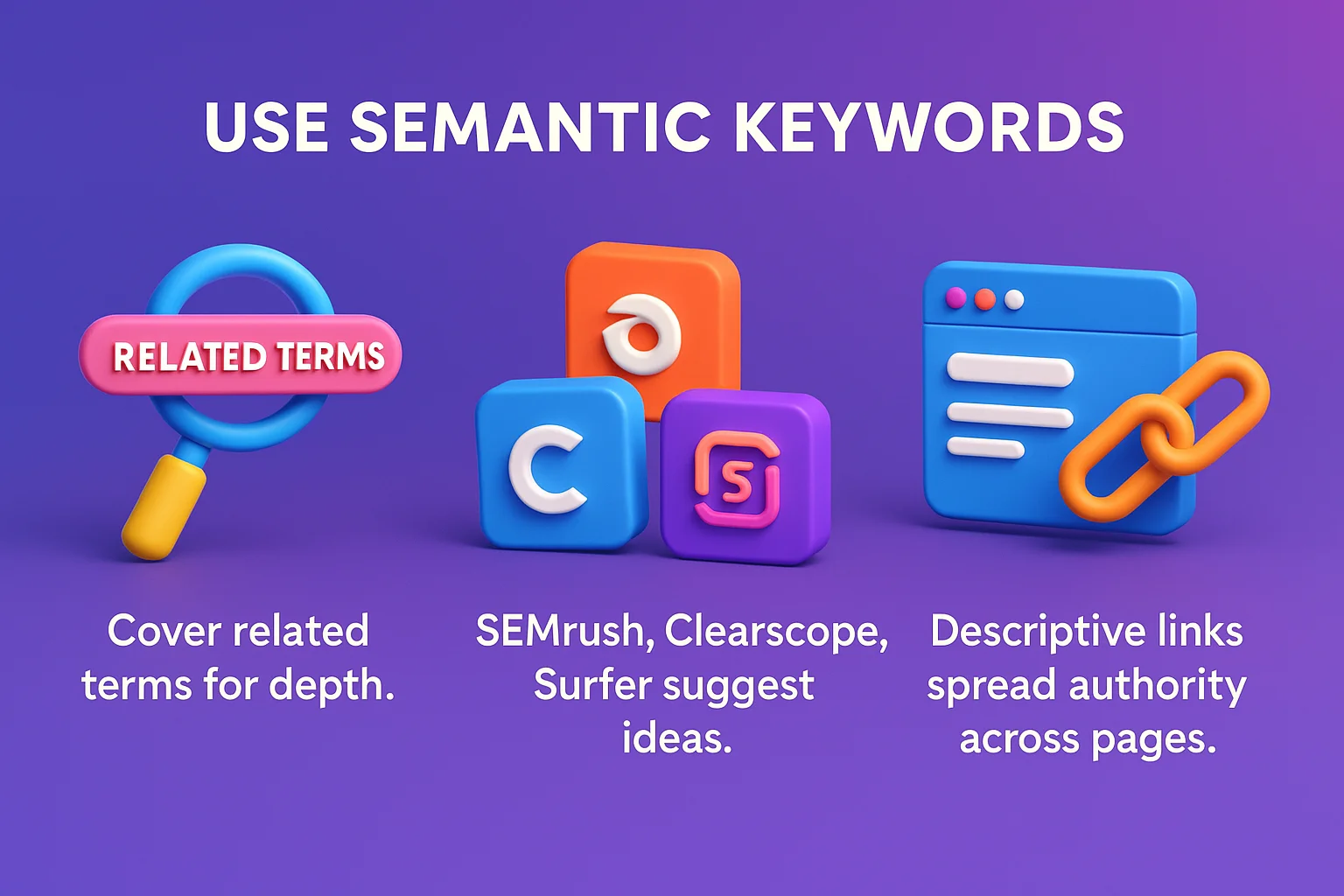
Advanced semantic keyword research employs specialized tools designed for semantic analysis. Platforms like LSIGraph, MarketMuse, and Clearscope analyze top-ranking content and extract semantically related keywords automatically. They identify gaps in your coverage and suggest relevant terms you might have missed. However, never blindly trust automated recommendations. Always evaluate whether suggested keywords genuinely fit your content and serve your audience. Quality semantic keyword research balances data-driven insights with editorial judgment and user-focused thinking.
Natural language processing and entity recognition technologies enhance semantic keyword research significantly. Google understands entities (people, places, things, concepts) and their relationships. When researching semantically related keywords, consider entities connected to your topic. If writing about “electric vehicles,” relevant entities include “Tesla,” “battery technology,” “charging infrastructure,” and “environmental impact.” Incorporating these entities naturally throughout your content strengthens semantic signals and demonstrates comprehensive understanding. This approach mirrors how humans think about topics holistically rather than in isolated keyword fragments.
Document your semantic keyword research systematically for maximum benefit. Create spreadsheets organizing keywords by search intent, search volume, and semantic relationship strength. This organization facilitates content planning and ensures comprehensive coverage across multiple articles. Strong semantic keyword research doesn’t just inform individual pieces; it shapes entire content strategies. You identify content gaps, discover new opportunities, and build topical authority systematically. This strategic approach transforms random content production into coordinated campaigns that dominate search results for entire topic clusters.
Semantic Keyword Grouping and Organization
Semantic keyword grouping transforms scattered keyword lists into strategic content blueprints. This organizational process clusters related terms based on shared intent, topical overlap, and semantic relationships. Proper grouping reveals content opportunities, prevents cannibalization, and maximizes topical authority. Think of it as creating families where parent topics oversee related children. Each group represents potential content pieces that together build comprehensive coverage of broader subjects.
The process begins by analyzing keyword intent and user needs. Commercial keywords like “buy running shoes” group separately from informational queries like “how to choose running shoes.” Even within intent categories, semantic relationships guide grouping decisions. “Marathon training tips,” “long distance running nutrition,” and “injury prevention for runners” share semantic connections despite different specific focuses. These terms belong together in a cluster targeting serious runners seeking performance improvement. This semantic keyword grouping creates logical content structures that both users and search engines appreciate.
Effective grouping considers search volume, competition levels, and business priorities. High-value commercial keywords anchor important groups requiring substantial content investment. Lower-volume semantic terms support these anchors through complementary articles, comprehensive guides, and targeted landing pages. This hierarchy ensures resources focus on maximum-impact opportunities while maintaining complete topical coverage. Semantic keyword grouping also reveals content gaps where competitors fail to address important subtopics. These gaps represent quick-win opportunities for capturing valuable traffic.
Visual organization tools enhance semantic keyword grouping effectiveness tremendously. Mind maps, spreadsheet color coding, and project management software help visualize relationships between keyword clusters. You see how individual pieces connect to broader themes, ensuring nothing falls through organizational cracks. This visual approach also facilitates team collaboration, allowing content creators, SEO specialists, and strategists to understand plans instantly. Clear semantic keyword grouping documentation becomes your content roadmap, guiding production priorities and measuring coverage completeness.
The benefits extend far beyond initial planning phases. Well-organized semantic keyword grouping enables consistent internal linking strategies, supports pillar page development, and facilitates content updates. When new keywords emerge or search trends shift, you quickly identify affected groups and adjust accordingly. This agility keeps your content strategy responsive to market changes without requiring complete overhauls. Semantic keyword grouping transforms SEO from reactive scrambling into proactive strategy execution that consistently delivers results.
Mastering Semantic Keyword Clustering
Semantic keyword clustering takes grouping to advanced analytical levels through data-driven methodologies. While grouping relies on manual organization, clustering employs algorithms to identify semantic relationships automatically. This approach processes thousands of keywords simultaneously, revealing patterns invisible to human analysis alone. Understanding semantic keyword clustering empowers you to scale content strategies efficiently while maintaining semantic precision. It combines human insight with computational power for optimal results.
The fundamental concept behind semantic keyword clustering involves analyzing search engine results pages. When multiple keywords consistently return similar URLs in top positions, those keywords share semantic relationships. Search engines consider them relevant to the same user intent and topical context. Clustering algorithms identify these patterns, grouping keywords that trigger identical or highly overlapping results. This methodology ensures clusters reflect actual search engine behavior rather than assumed relationships. Your content strategy aligns perfectly with how search engines categorize and rank information.
Benefits for content strategy prove substantial and measurable. Semantic keyword clustering eliminates keyword cannibalization by revealing when multiple pages target essentially identical topics. It shows which keywords can be addressed in single comprehensive articles versus requiring separate content pieces. This clarity prevents wasted effort on duplicate content while ensuring complete topical coverage. Clustering also prioritizes opportunities by revealing which keyword groups offer maximum traffic potential with minimal competition. Strategic decisions become data-driven rather than guesswork.
Practical clustering examples illustrate the power of this approach. Imagine you’ve collected 500 keywords related to “home fitness equipment.” Manual grouping would take hours and likely miss subtle relationships. Clustering algorithms process this dataset in minutes, revealing distinct clusters like “resistance band exercises,” “compact home gym solutions,” “cardio equipment for small spaces,” and “strength training without weights.” Each cluster becomes a content opportunity with clearly defined scope and keyword targets. This precision accelerates content production while ensuring each piece serves distinct user needs.
Advanced practitioners combine semantic keyword clustering with competitive analysis for devastating effectiveness. They cluster their own keywords, then analyze how competitors address these clusters. Gaps become immediately obvious: clusters with high search volume but weak competitive content represent golden opportunities. This systematic approach removes guesswork from content strategy, replacing it with confidence backed by data. Semantic keyword clustering transforms SEO from art into science, though creative execution remains essential for producing truly exceptional content.
Semantic Keyword Clustering Python: Automation Guide
Semantic keyword clustering Python implementations bring enterprise-level capabilities to individual practitioners and small teams. Python’s powerful libraries for data analysis, natural language processing, and machine learning make it ideal for clustering automation. Even basic programming knowledge enables impressive results through available scripts and tutorials. Understanding Python clustering opens doors to custom solutions perfectly tailored to your specific needs and workflows.
The typical workflow begins with data collection through API access to keyword research tools or SERP scraping. Python libraries like requests and BeautifulSoup facilitate gathering keyword data and search results. You compile keyword lists with metrics like search volume, competition, and current rankings. Next comes the clustering algorithm implementation using libraries like scikit-learn or NLTK. These tools provide pre-built functions for various clustering methodologies including k-means, hierarchical clustering, and DBSCAN. Each method offers different advantages depending on dataset characteristics and desired granularity.
Basic clustering scripts require surprisingly little code to deliver valuable insights. A simple Python program might load keywords, query search results for each term, compare URL overlaps, and group keywords sharing significant ranking URL similarities. More sophisticated implementations incorporate natural language processing to analyze semantic relationships beyond just SERP overlap. They might use word embeddings, TF-IDF analysis, or transformer models to understand keyword meanings and relationships. These advanced techniques reveal semantic connections that purely SERP-based clustering might miss.
The beauty of semantic keyword clustering Python solutions lies in customization potential. You adjust clustering sensitivity, define minimum cluster sizes, exclude irrelevant keywords automatically, and format outputs for specific workflows. Custom scripts integrate with your existing tools and databases, creating seamless automation pipelines. While commercial semantic keyword clustering tools offer polish and support, Python solutions provide unlimited flexibility and zero recurring costs. For technically inclined SEO professionals, Python becomes an indispensable competitive advantage.
Learning resources abound for those interested in semantic keyword clustering Python applications. Online tutorials walk through basic implementations step-by-step. GitHub repositories share production-ready scripts from experienced practitioners. Communities on Reddit, Discord, and specialized forums offer support and collaboration opportunities. Starting simple with basic clustering scripts and gradually adding sophistication as skills develop represents a practical approach. Even modest Python implementations deliver insights that dramatically improve content strategy effectiveness and efficiency.
Keyword Search vs Semantic Search: Understanding the Difference
The evolution from keyword search to semantic search represents one of the most significant developments in internet history. Understanding this difference clarifies why modern SEO strategies must embrace semantic approaches. Traditional keyword search operated mechanically, matching query terms against indexed document text. If your page contained the exact phrase someone searched, you had ranking potential. Context, intent, and actual relevance mattered far less than literal word matching. This limitation frustrated users and encouraged manipulative SEO tactics.
Semantic search revolutionized information retrieval by understanding meaning behind queries rather than just matching words. It considers user intent, search history, location, device type, and countless contextual signals. When someone searches “fix leaking pipe,” semantic search understands they need plumbing repair information, not information about musical pipes or tobacco pipes. This intelligence delivers dramatically better results, satisfying user needs even when queries use imperfect phrasing. The transition from keyword search vs semantic search fundamentally changed what content succeeds online.
Modern search engines employ sophisticated natural language understanding technologies. They parse queries grammatically, identify entities and relationships, and infer unstated intentions. Semantic search recognizes that “best Italian restaurants near me” expresses commercial local intent requiring business listings with reviews, photos, and directions. Simple keyword matching would miss these nuanced requirements. This intelligence explains why generic keyword stuffing no longer works while comprehensive semantic content thrives. Search engines reward content matching actual user needs rather than arbitrary keyword densities.
The practical implications for content creators prove profound and unavoidable. Success requires thinking like your audience, understanding their problems deeply, and addressing needs comprehensively. You cannot trick semantic search with shallow keyword manipulation. Instead, you must create genuinely valuable content that naturally incorporates semantically related keywords through thorough topic coverage. This alignment between quality content and SEO success represents a positive development for internet users and serious content creators alike.
Looking forward, semantic capabilities will only strengthen as artificial intelligence advances. Future search engines will understand increasingly subtle intent variations and contextual nuances. Voice search, visual search, and multimodal queries expand semantic complexity further. Adapting means embracing semantic thinking completely, creating content that serves users genuinely while satisfying increasingly sophisticated algorithms. The keyword search vs semantic search comparison isn’t just historical context; it’s a roadmap showing where search technology continues heading and what strategies will succeed long-term.
Best Semantic Keyword Clustering Tools
Selecting the right semantic keyword clustering tool dramatically accelerates your content strategy development and execution. While Python scripts offer customization, purpose-built tools provide user-friendly interfaces, maintained databases, and proven methodologies. They eliminate technical barriers, letting you focus on strategic decisions and content creation. Understanding available options helps you choose solutions matching your budget, technical comfort, and strategic needs.
Market-leading platforms include Keyword Insights, which specializes in clustering large keyword datasets using SERP similarity analysis. It generates content briefs based on cluster analysis and integrates seamlessly with popular SEO workflows. SEMrush offers built-in clustering features within its broader SEO toolkit, making it convenient for teams already using that platform. MarketMuse employs AI to analyze content gaps and generate semantic keyword recommendations alongside clustering functionality. Each semantic keyword clustering tool brings unique strengths, interface philosophies, and pricing structures.
Feature comparison reveals what matters most for your specific situation. Essential capabilities include processing large keyword datasets, customizable clustering sensitivity, export options for various formats, and integration with existing tools. Advanced features like automated content brief generation, competitive gap analysis, and SERP feature tracking add substantial value. Consider your team’s technical skills, existing tool ecosystem, and budget constraints when evaluating options. Sometimes simpler, focused tools deliver better results than feature-bloated platforms requiring extensive training.
Free and freemium options exist for budget-conscious practitioners and those wanting to test clustering methodologies before committing. Google Sheets with manual SERP analysis provides basic clustering capabilities at zero cost but requires significant time investment. Some paid tools offer limited free tiers or trial periods allowing thorough evaluation. These opportunities let you experience clustering benefits before financial commitments. Even limited free access often proves sufficient for small websites or focused content projects.
Choosing the right semantic keyword clustering tool ultimately depends on matching capabilities with your content strategy needs. Small blogs might succeed with free tools and manual processes. Agency teams managing dozens of clients require enterprise solutions with collaboration features and white-label capabilities. Evaluate based on your current situation but consider future growth potential. Tools that scale alongside your needs prevent disruptive migrations later. Investing time in proper evaluation saves money and frustration while ensuring your clustering foundation supports long-term success.
Frequently Asked Questions About Semantic Keywords
What are semantic keywords and why do they matter for SEO?
Semantic keywords are terms and phrases conceptually related to your main topic. They help search engines understand content context and comprehensiveness. Unlike exact-match keywords, semantic keywords encompass related concepts, questions, and contextual terms. They matter tremendously because modern search algorithms prioritize content demonstrating topical authority through semantic richness. Using semantically related keywords naturally throughout your content signals expertise and relevance, resulting in better rankings and more qualified organic traffic.
How do I perform effective semantic keyword research?
Start by identifying your core topic and analyzing top-ranking competitor content. Use free tools like Google’s “People Also Ask” and related searches to discover user questions. Specialized platforms like LSIGraph and MarketMuse provide semantic keyword suggestions based on top-ranking content analysis. Combine automated tools with manual analysis of entities, related concepts, and natural language variations. Document findings systematically, organizing keywords by intent and semantic relationship strength. Effective semantic keyword research balances data-driven insights with editorial judgment focused on genuine user needs.
What is the difference between semantic keyword grouping and clustering?
Semantic keyword grouping involves manually organizing keywords into logical categories based on topical relationships and intent. It’s a strategic planning exercise creating content roadmaps. Semantic keyword clustering uses algorithms to automatically group keywords based on SERP overlap analysis. When keywords consistently return similar top-ranking URLs, clustering algorithms recognize their semantic relationship. Grouping offers flexibility and human insight; clustering provides data-driven precision at scale. Most effective strategies combine both approaches, using clustering for initial analysis and grouping for strategic refinement.
Can I use Python for semantic keyword clustering without advanced programming skills?
Yes, basic Python knowledge combined with available scripts and tutorials enables effective semantic keyword clustering. Many open-source scripts require minimal modification to work with your keyword data. Online communities provide support and shared resources for beginners. Start with simple implementations that analyze SERP overlap and gradually add sophistication as skills develop. Libraries like pandas and scikit-learn simplify data manipulation and clustering. While advanced implementations offer more features, even basic Python clustering provides valuable insights beyond manual analysis capabilities.
How do semantic keywords differ from LSI keywords?
Semantic keywords and LSI keywords are closely related concepts often used interchangeably. LSI (Latent Semantic Indexing) specifically refers to a mathematical method for identifying patterns in term relationships. Semantic keywords encompass a broader concept of contextually and conceptually related terms. In practical SEO application, the distinction matters less than understanding that both involve using related terms to demonstrate topical comprehensiveness. Focus on naturally incorporating semantically related keywords throughout your content rather than worrying about technical classification differences. Both approaches serve the same goal: helping search engines understand your content’s full scope and relevance.
Conclusion: Transform Your SEO with Semantic Strategies
Mastering semantic keywords represents the single most important skill for modern SEO success. Search engines have evolved far beyond simple keyword matching into sophisticated semantic understanding. They reward content demonstrating comprehensive topical coverage through natural incorporation of semantically related keywords. This evolution aligns quality content creation with SEO effectiveness, benefiting users and serious practitioners alike. Your content strategy must embrace semantic approaches to remain competitive in increasingly sophisticated search landscapes.
The importance of semantic keywords in SEO will only grow as artificial intelligence and natural language processing advance. Future search engines will understand even subtler intent variations and contextual nuances. Starting your semantic journey today builds foundations that strengthen rather than deteriorate over time. Whether you’re implementing semantic keyword research, organizing through semantic keyword grouping, or automating with semantic keyword clustering Python scripts, every step moves you toward sustainable competitive advantage. Your content becomes more valuable to readers while performing better in search results.
Ready to dominate search results with semantic keyword strategies? Start by auditing your existing content for semantic gaps. Identify opportunities to enhance topical authority through better semantic keyword integration. Implement clustering to reveal content opportunities your competitors miss. Whether you choose manual methods or semantic keyword clustering tools, commit to semantic thinking throughout your content creation process. The investment pays dividends through higher rankings, more qualified traffic, and stronger brand authority. Transform your approach today and watch your organic visibility soar beyond expectations.